
The short answer: March through May and October through November. The long answer is that every season in the Louisiana swamps has something going for it, and the worst time to go is still genuinely worth going. Here is what you actually get, month by month.
Spring: March through May
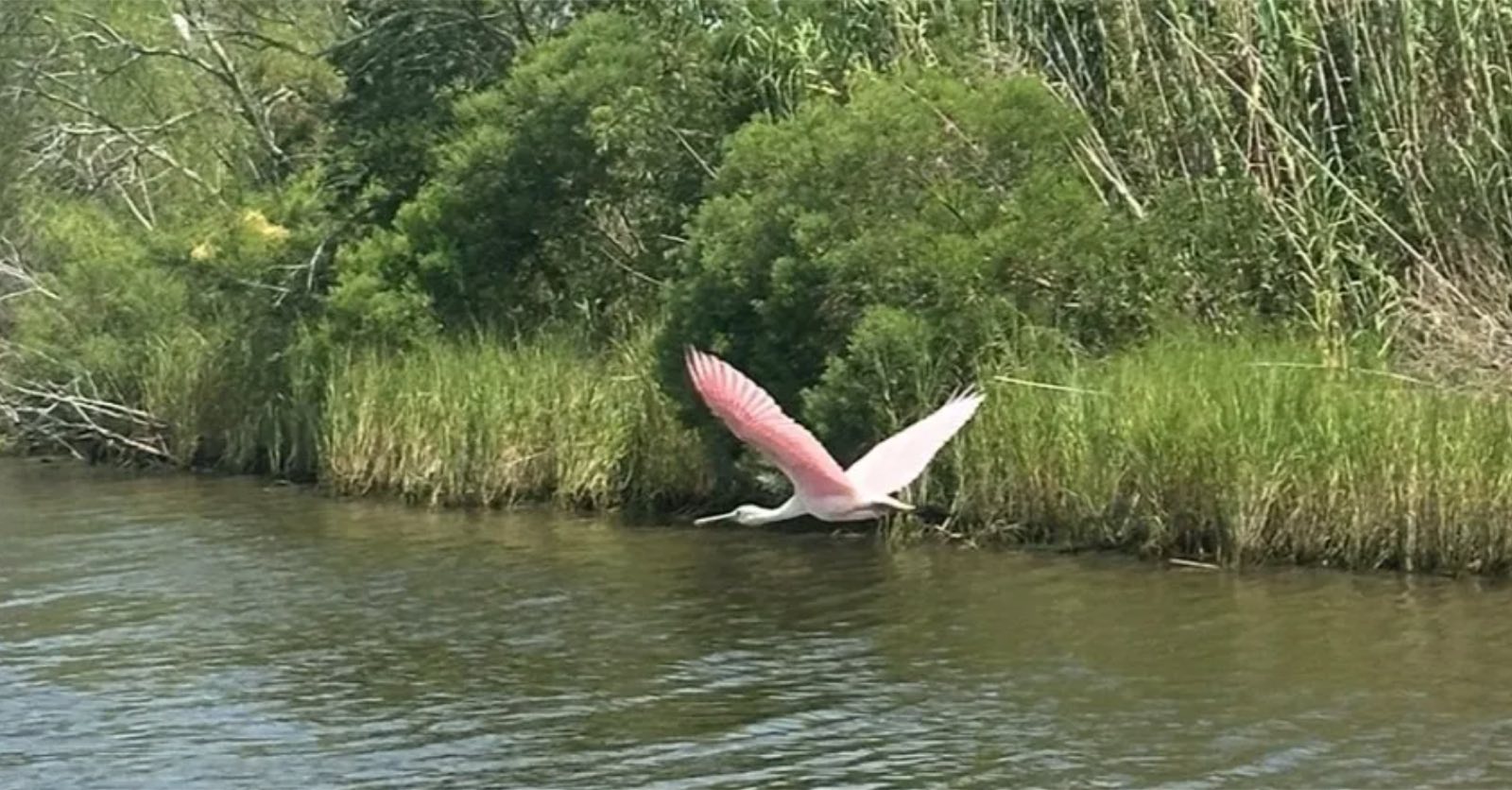
The best wildlife window of the year. Water temperatures climb above 70 and alligators wake up, come off their winter lethargy, and start displaying, which means big males out in the open, moving slowly, completely indifferent to kayaks at a respectful distance. Nesting season for wading birds peaks in April and May: great egrets, tricolored herons, roseate spoonbills, and ibis in the rookeries above you while you paddle below. Spring migrants pass through in waves.
The catch: spring also means rain and rising water levels, especially at Honey Island where the Pearl River swells and the flooded forest opens up for paddling. That high water is one of the great Honey Island experiences, but it also means faster current in channels. Book Manchac in early spring if you want calmer conditions.
Summer: June through September
Hot, humid, and worth it if you prepare correctly. Gators are at peak activity. The breeding season for many birds is over but the young are out, learning to fly, and the swamp is busy. The downside is real: heat index well above 100 on many days, mosquitoes that mean business in the afternoon, and afternoon thunderstorms that can end a trip early.
Summer strategy: book the earliest morning departure you can find, usually 7 or 8 AM. The heat is manageable at that hour, the bugs are lighter before the sun is fully up, and you are off the water before the afternoon storms. Long sleeves in lightweight UPF fabric are the counterintuitive right call.
Fall: October through November
The consensus best season. Temperatures drop into the 70s and 60s, humidity breaks, the mosquitoes thin out dramatically, and the swamp turns in ways that are hard to describe without sounding like a brochure. The cypress goes gold and orange before it drops its needles (yes, cypress is deciduous), the light is lower and warmer, and the gators are still active in early fall before the water cools. Migrating songbirds and raptors move through. This is the season.
Winter: December through February
Underrated. The mosquitoes are essentially gone. The crowds are thin. Fog on winter mornings in the Manchac cypress is one of the genuinely beautiful things in Louisiana. Alligators are less active, staying underwater longer in cold water, but you will still see them. Wood ducks and other winter waterfowl arrive. Dress for it: a fleece and a windproof shell, especially on early departures.
Whatever month you’re going, the operator comparison covers who runs year-round tours and what their seasonal schedules look like.
Common questions
What is the best time of year to kayak in New Orleans?
March through May and October through November are generally the best months: active wildlife, manageable temperatures, and fewer mosquitoes than summer. Fall, particularly October, is the consensus favorite among guides and regular paddlers.
Can you kayak in the New Orleans swamps in summer?
Yes, but book an early morning departure, ideally 7 or 8 AM, to beat the heat and afternoon storms. Apply bug repellent before leaving the car. Gator activity is at its peak in summer.
Are there alligators in winter in Louisiana?
Yes, though they are less active in cold water. You will see them in winter, especially on warmer days, but they stay submerged longer and move less. Winter is a great time to paddle for the atmosphere, fog, and waterfowl, even if gator sightings are less frequent.
What wildlife can you see kayaking in New Orleans in spring?
Spring is the peak season for wading birds including great egrets, roseate spoonbills, ibis, and herons at their nesting colonies. Alligators are freshly active after winter and more visible. Spring migrants pass through in large numbers in April and May.
Find a tour for your travel dates.